Aluminum Casting: Reducing Fuel Consumption
A Consider the Future: Patterns Forming the Future Generation of Light Weight Aluminum Foundries
The light weight aluminum shop industry bases on the brink of considerable change. Automation and advanced innovation assurance to improve production procedures. Sustainability techniques are becoming necessary to meet environmental criteria. As modification needs increase, the requirement for versatility in manufacturing grows. Joint efforts with technology companions might drive technology. These emerging trends suggest a critical change awaits. What possibilities and difficulties lie in advance for aluminum foundries in this advancing landscape?
The Increase of Automation in Aluminum Foundries
The integration of automation in light weight aluminum foundries is improving the sector landscape. As producers adopt sophisticated modern technologies, procedures commonly reliant on hands-on labor are ending up being increasingly automated. This shift not only boosts production performance but additionally decreases human mistake, resulting in an extra consistent item quality. Robotics and expert system systems are being utilized for tasks such as mold and mildew preparation, pouring, and ending up, simplifying operations and minimizing lead times.
Additionally, automation assists in the collection and evaluation of data, making it possible for shops to enhance their processes continually. Anticipating maintenance powered by sensing units helps in expecting devices failings, resulting in reduced downtime. The labor force is also advancing, as employees are adapting right into roles that call for oversight of automated systems, focusing on higher-level analytic and innovation. Overall, the increase of automation in light weight aluminum foundries stands for a significant evolution, positioning the industry for enhanced productivity and competitiveness in a rapidly transforming market.
Embracing Sustainability Practices
Light weight aluminum foundries are progressively adopting sustainability techniques to resolve environmental worries. Trick efforts concentrate on recycling and reuse of materials, together with technologies targeted at boosting power effectiveness. Aluminum Foundry. These initiatives not only lower waste yet also add to a more lasting production procedure
Recycling and Reuse Initiatives
A considerable shift in the direction of sustainability is reshaping the landscape of aluminum foundries, with several adopting innovative recycling and reuse efforts. This motion highlights the value of reducing waste and making the most of source efficiency. Foundries are significantly executing closed-loop systems, permitting scrap aluminum created throughout manufacturing to be reprocessed and reintegrated into the production cycle. In addition, partnerships with neighborhood recycling facilities help with the collection of post-consumer aluminum, better supporting lasting techniques. By utilizing innovative arranging innovations and recycling methods, these factories boost the quality of recycled products, guaranteeing they satisfy sector criteria. On the whole, these campaigns not only reduce environmental impact but likewise contribute to cost savings, positioning light weight aluminum factories as leaders in lasting production within the metal industry.
Energy Effectiveness Innovations
Countless aluminum shops are embracing energy performance innovations as component of their sustainability techniques. These developments include the combination of innovative innovations such as automation, expert system, and energy administration systems. By maximizing production processes, factories can considerably lower power intake while keeping outcome quality. Furthermore, numerous are spending in renewable resource sources, such as solar and wind, to power their operations, better lowering their carbon impact. Using energy-efficient heaters and recycling warmth produced during manufacturing is likewise becoming commonplace. These practices not only contribute to environmental sustainability however additionally result in cost financial savings for factories. As the market develops, the commitment to energy performance will likely play a crucial role in shaping the future of aluminum manufacturing.
The Impact of Expert System
As the aluminum shop market advances, the integration of expert system (AI) is coming to be significantly significant. AI innovations are changing manufacturing processes by improving functional effectiveness and reducing waste. Predictive analytics, powered by AI, allows shops to anticipate potential tools failures, allowing positive maintenance and decreasing downtime. Additionally, AI-driven algorithms enhance casting designs, causing boosted material use and improved product high quality.
Moreover, AI assists in real-time surveillance of production criteria, allowing immediate changes to preserve excellent problems. This flexibility not just enhances item uniformity but additionally supports energy-efficient methods. By analyzing large amounts of information, AI can identify patterns and understandings that human operators could overlook, driving continual enhancement. As these technologies come to be a lot more obtainable, the light weight aluminum factory industry is positioned to take advantage of AI to attain greater accuracy and innovation, ultimately shaping an extra affordable and sustainable future in production.
Additive Manufacturing Innovations
Additive production is rapidly changing light weight aluminum shops by improving design abilities and enabling extra complicated geometries. This development not only enables better creativity in product development but likewise assists in affordable manufacturing approaches. As these innovations evolve, they assure to redefine typical production procedures in the market.
Enhanced Layout Capacities
Development in design capacities has transformed the landscape of light weight aluminum factories, specifically via the assimilation of additive production modern technologies. This improvement permits for greater versatility in developing intricate geometries that were formerly unattainable with typical methods. Factories can currently produce lightweight frameworks maximized for performance and performance, decreasing material waste and boosting energy efficiency. Furthermore, the quick prototyping abilities of additive manufacturing allow quicker refinements and iterations, fostering innovation in product growth. Partnership between style designers and shop professionals has actually additionally been reinforced, bring about extra reliable interaction and improved final products. As these technologies continue to develop, the possibility for personalized remedies tailored to certain applications will further redefine the future of aluminum shops.
Affordable Manufacturing Techniques
Arising trends in economical production techniques have reinvented the light weight aluminum foundry industry, particularly via innovations in additive production. This technology makes it possible for the quick manufacturing of intricate geometries with lowered product waste, substantially reducing costs. By making use of 3D printing methods, shops can create intricate elements that conventional approaches struggle to attain, boosting layout flexibility. Additionally, additive production improves prototyping processes, allowing for quicker versions and faster time-to-market. These technologies not just optimize manufacturing effectiveness however likewise add to sustainability initiatives by decreasing scrap. As aluminum foundries progressively embrace these techniques, they position themselves to satisfy growing need while maintaining affordable pricing, ultimately transforming the landscape of aluminum production.
Enhancing Top Quality Control Procedures
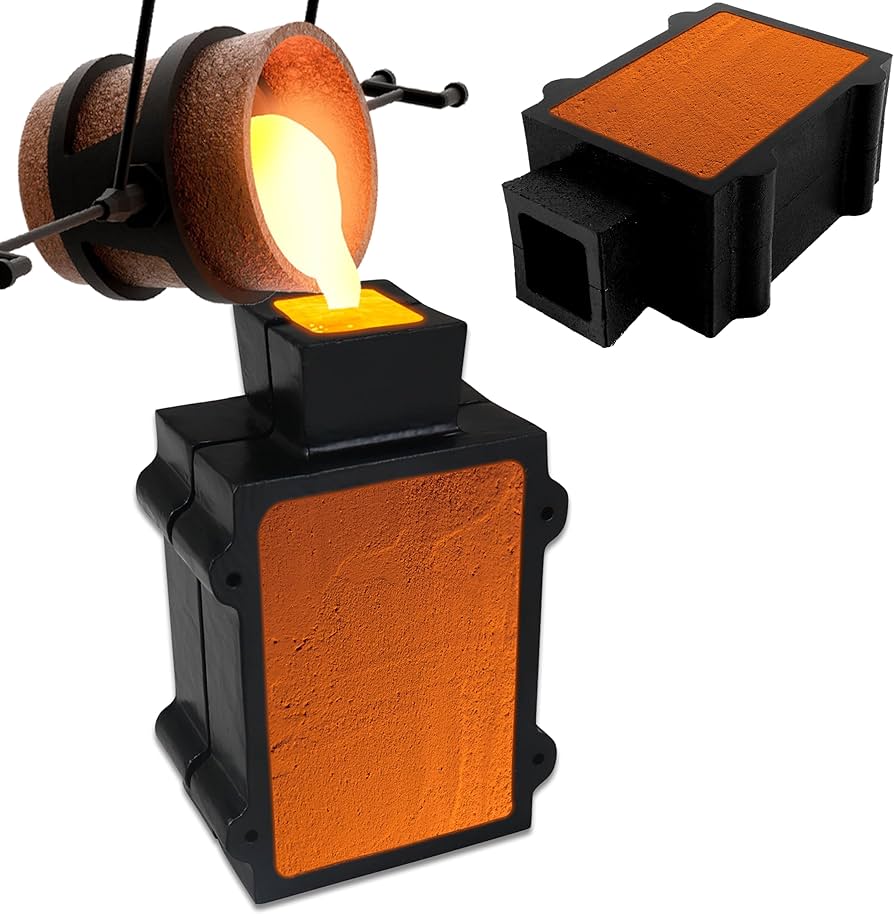
Moreover, lots of shops are executing standardized operating procedures and rigorous testing procedures. By cultivating a culture of responsibility and constant enhancement, they intend to lessen variations in manufacturing high quality. Training programs for employees are additionally being prioritized to safeguard that staff are skilled in quality control methods. Ultimately, these enhanced top quality control determines not just boost product reliability yet also strengthen the online reputation of aluminum factories in a competitive marketplace, leading the way for long-lasting success and sustainability.
The Shift In The Direction Of Personalization and Versatility
As light weight aluminum shops improve their high quality control steps, they are also reacting to an enhancing need for modification and versatility in manufacturing - Metal Casting. This shift is driven by developing client preferences and the requirement for specialized products throughout numerous sectors. Foundries are adjusting their procedures to accommodate reduced quantity runs and customized styles, enabling them to satisfy certain customer needs much more successfully. Advanced technologies, such as additive manufacturing and computer-aided style, are facilitating this transformation by permitting quick prototyping and modifications, therefore decreasing lead times. Furthermore, the combination of clever production techniques boosts the adaptability of assembly line, enabling foundries to pivot swiftly in action to market adjustments. The focus on customization not just enhances consumer contentment however likewise positions shops to remain competitive in a vibrant market landscape, leading the way for advancement and diverse product offerings in the aluminum field
Cooperations and Partnerships in the Market
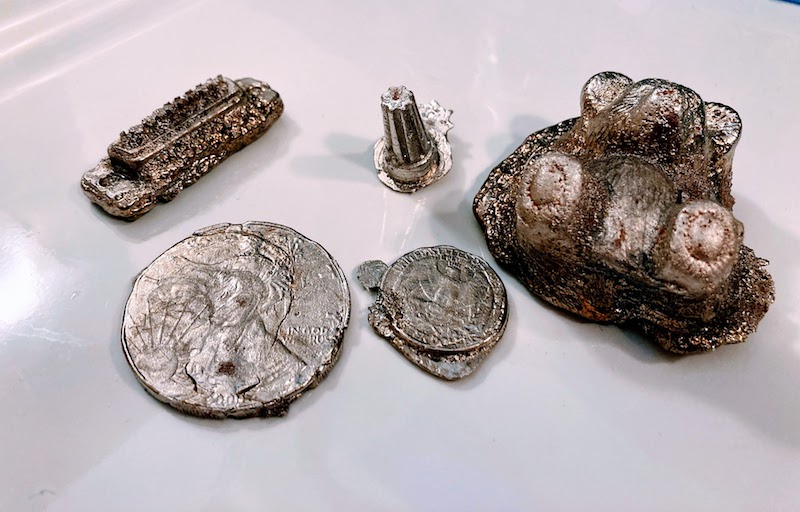
Moreover, collaborations with research study institutions promote the development of new alloys and sustainable techniques, addressing environmental issues and regulative demands. These cooperations also help in expertise sharing, allowing companies to embrace finest techniques and swiftly carry out technological advancements.
In addition, critical alliances with suppliers guarantee a stable supply chain for resources and advertise price effectiveness. As the market faces difficulties such as labor shortages and boosting competitors, these cooperations are essential in driving development and advancement. By interacting, light weight aluminum shops can better browse the intricacies of the marketplace and achieve long-term success.
Regularly Asked Inquiries
What Are the First Prices of Automating an Aluminum Shop?
The initial expenses of automating an aluminum factory can range considerably, generally between numerous thousands to a number of million dollars, depending upon the level of automation, equipment high quality, and specific operational needs of the center.
Exactly How Can Little Factories Embrace Sustainable Practices Effectively?
Tiny factories can embrace lasting methods effectively by implementing energy-efficient innovations, recycling scrap materials, optimizing procedures to reduce waste, and utilizing ecologically friendly materials, fostering a culture of sustainability amongst employees through training and recognition efforts. Metal Foundry.
What Function Does Information Protection Play in AI Applications?
Information security is vital in AI applications, guaranteeing the defense of delicate info, keeping individual trust, and stopping unauthorized access. By carrying out robust safety measures, organizations can secure data honesty and promote conformity with policies.
How Will Ingredient Production Affect Traditional Casting Methods?
Additive manufacturing will enhance traditional spreading strategies by enabling more complicated geometries, decreasing material waste, and reducing production times. This combination might bring about a hybrid technique, maximizing efficiency and expanding layout possibilities in production.
What Abilities Will Be The Majority Of sought after in Future Light Weight Aluminum Foundries?
In future aluminum shops, abilities in additive manufacturing, data sustainability, automation, and analysis practices will be vital. Workers Metal Casting skilled in advanced modern technologies and environmentally-friendly processes will be in high demand, driving market development and efficiency.
Foundries are significantly applying closed-loop systems, enabling scrap aluminum created during production to be recycled and reintegrated right into the manufacturing cycle. Additive manufacturing is rapidly changing light weight aluminum shops by enhancing layout capacities and allowing more complicated geometries. Technology in layout capabilities has actually changed the landscape of aluminum factories, particularly via the combination of additive production innovations. Arising fads in cost-efficient manufacturing techniques have changed the light weight aluminum factory sector, especially with improvements in additive production. As light weight aluminum factories boost their top quality control actions, they are likewise responding to an enhancing need for customization and versatility in production.